

If your babies were born prematurely and needed to spend time in the neonatal intensive care unit (NICU), then you're already painfully aware of the amazing things NICU nurses and doctors do day-in and day-out to care for critically ill newborns.
Becoming a NICU parent happens in an instant. It can be physically and emotionally exhausting, but nothing is greater than witnessing your babies getting stronger and the moment you find out your small but mighty warriors are graduating from the NICU and get to come home.
If you haven't had to spend time in the NICU with your babies, you may be wondering what the NICU is and what exactly happens there.
Let's take a crash-course together, shall we?
What is the NICU?
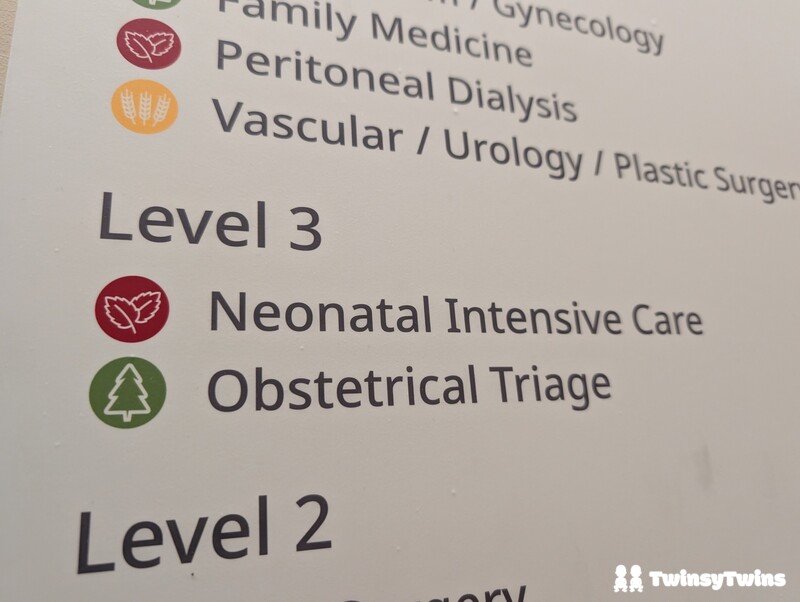
The NICU (pronounced nik-yoo) is the neonatal intensive care unit.
It's a specialized ward within the hospital that provides medical care around the clock for premature or critically ill newborns.
Perhaps you've heard of a PICU and assumed this is where newborns are cared for. This is not necessarily the case.
The NICU is for newborns only, whereas the PICU, or pediatric intensive care unit, provides care for children who range from newborns all the way up to teenagers.
Who works in the NICU?
The neonatal intensive care unit is filled with a knowledgeable team made up of specialized experts, from neonatologists and NICU nurses, to respiratory therapists and other expert pediatric professionals who are called in as needed such as cardiologists for heart issues or neurologists for brain issues, and other clinical staff.
There are many different types of nurses who work within the NICU, including:
- Neonatal Nurse Practitioners (NNP): This type of nurse is an advanced practice registered nurse with a master's degree. They can perform medical exams, order tests, and prescribe treatments.
- Bedside Registered Nurses (RN): This type of nurse spends most of their time at a baby's cot and / or incubator. They can give medications, track vital signs, and feed babies.
- Clinical Nurse Specialists (CNS): This type of nurse provides guidance to the nursing staff. They can also help families to navigate the NICU and understand complex care plans.
- Charge Nurse: This type of nurse is the one who manages the shift, assigns patient beds, and oversees the daily operations within the ward.
The nurses and doctors you'll encounter in the NICU will use many technical terms and medical acronyms that are new to you, so be sure to ask for clarification on anything you need help understanding.
Who is admitted to the NICU and why?

In the U.S., about 10 to 15 percent of all newborn babies are admitted to the neonatal intensive care unit for specialized care.
In Canada, about 11 percent of all newborn babies require intensive care in the NICU (specific rates vary by province).
According to the CDC, approximately 43 percent of newborn babies from multiple-gestation pregnancies (i.e., twins, triplets, and higher-order multiples) require admission to the neonatal intensive care unit. In comparison, about nine percent of singletons will be admitted to the NICU.
Newborn babies who need critical care are admitted to the NICU during the neonatal period, which is the first 28 days of life.
Some of the most common causes for admission to the NICU include:
- Being born prematurely: Almost 60 percent of twins and more than 90 percent of triplets are born before 37 weeks' gestation (triplets are often born around 33 weeks; our identical twins were born at 33+5).
- Having a low birth weight: Babies who had restricted growth or are born early and, therefore, are smaller at birth have a harder time maintaining a consistent body temperature and blood sugar all by themselves.
- Facing breathing challenges: The lungs are one of the last organs to fully mature, so babies who are born prematurely might need temporary oxygen or respiratory assistance. If you know you're at risk for preterm delivery, ask your medical team about these two shots that can help your babies.
While prematurity is the leading cause for being admitted to the NICU, there are many other reasons a baby might need intensive care at the hospital such as respiratory distress syndrome, heart abnormalities, infections, severe jaundice, low blood sugar, or birth complications and / or defects that require surgery or a higher level of care during the neonatal period.
It's also important to recognize that even full-term babies might need specialized care in the NICU.
Why are there different NICU levels?
There are different NICU levels because hospitals categorize care into specific tiers based on the complexity of the care required. Lower levels require less intense support; higher levels require more advanced and intensive critical care.
Level I
A Level I unit handles healthy, full-term babies in a standard nursery setting.
Level II
A Level II unit is a special care nursery designed for babies who are stable but need extra time and supervision from medical staff to grow.
Level III
A Level III unit provides comprehensive, long-term critical care 24/7 for babies suffering from severe medical problems. These wards have quick access to a team of pediatric specialists (e.g., eye, heart, or brain doctors) and advanced imaging (e.g., X-rays and ultrasounds).
Level IV
A Level IV unit provides the highest, most advanced newborn care available for the most fragile micro-preemies and critically ill babies with complex, life-threatening conditions. In addition to the care noted in Level I, II, and III wards, a Level IV unit is able to provide advanced life support (e.g., ECMO therapy) and has on-site pediatric surgical teams available to operate on teeny tiny hearts, brains, and organs.
What is the average stay for a baby in the NICU?

Babies are admitted to the NICU for a variety of different reasons, from feeding issues, to breathing issues, to trouble maintaining their temperature.
So, it stands to reason that the length of time a baby needs to stay in the NICU depends on their health needs and what they're receiving care for.
A baby's stay can range from just one day to many months (one mini but mighty warrior finally came home after more than 18 months in the NICU). The average NICU stay lasts 14 days.
When my fraternal twin and I were born 10.5 weeks early, we spent just over two months in the NICU before we were cleared to come home.
When my sister's fraternal twins were born 6.5 weeks early, they came home after 15 days.
When my husband and I welcomed our own identical twins, they came home at non-identical times; one after 14 days, the other after 28 days. They were born 6.5 weeks early due to growth restriction issues, so they both had low birth weights. Fortunately, we had time to do a round of steroid shots to help with their lung development before they were born, so they didn't need any assistance with breathing after they were delivered.
What is some of the specialized equipment you'll see in the NICU?

Neonatal intensive care units are equipped with specialized medical machines and tools that provide advanced life support for premature or critically ill infants.
You'll see monitors that display vital stats for your babies, so their medical team can keep track of their blood oxygen levels, heart rate, and breathing rate.
You may see your baby covered in adhesive electrode sensors and wires that connect to their bedside monitor. These are the pulse oximeters and cardiopulmonary monitors that allow your babies' healthcare team to observe these particular vitals without needing to draw blood.
Having said that, there are other necessary things they need to draw blood for, like checking bilirubin levels if they suspect jaundice.
As an aside, if your babies undergo heel sticks for blood draws while they're in the NICU, keep an eye out as you get closer to their first birthday for a lesser-known condition that usually resolves itself with time.
If your newborn is diagnosed with jaundice, they may need to sport an awesome phototherapy mask (like the one seen below) for a short while, which uses blue light to help get their bilirubin levels back into the normal range.

Instead of a mask, you might also see a Bili-blanket, which can also be used to lower bilirubin levels in the blood. One of our twins needed a Bili-blanket while he spent time in his incubator.
One of the most common pieces of equipment you'll see in the NICU is an incubator. Preterm or low birth weight babies often have trouble maintaining their body temperature, so incubators help keep their temperature consistent.

An incubator (you may also hear it referred to as an Isolette) is a clear plastic bed that helps keep your baby warm by protecting them from drafts. It also protects them from germs and has ports so that their healthcare team can access them to administer medication or do diaper changes.
If a baby needs more frequent monitoring, they may be placed in an open bed with an overhead heater (a radiant warmer) instead of an incubator.
You may also see ventilators or CPAP machines, if your babies lungs aren't finished developing before they're born and they need help breathing. A ventilator breathes for your baby when their lungs need support, whereas a CPAP machine delivers continuous positive airway pressure (CPAP) thorugh nasal prongs to keep the airways open.
Some babies are unable to keep their feeds down and need extra help getting enough nutrition to put on weight and continue growing. This is where feeding tubes come in.

Nasogastric (NG) or orogastric (OG) tubes are used to send milk directly into a baby's stomach when they're unable to suck or swallow just yet. If your babies need NG or OG tubes and are anything like our twins, they will likely try to rip the tubes out over and over, so their nurses will probably have to tape it int place and may switch the tube from side to side as needed to avoid irritation.
On the feeding and nutrition side of things, you may also see infusion pumps, which help to deliver precise amounts of IV fluids, nutrition, or medication to a baby.
What does it mean to graduate from the NICU?

Graduating from the NICU means your babies have met the milestones necessary to be able to go home. Before your babies are given the all-clear to be discharged from the hospital, the NICU team will ensure they can maintain their temperature, are breathing well, and can feed safely.
A baby's weight is a major factor in their overall health. After babies are born, it's normal for them to lose a portion of their weight over the next three or four days (approximately seven to 10 percent of their birth weight for breastfed babies and about five percent for formula-fed babies).
Once they've regained that weight (usually around 10 to 14 days old) and are putting on weight and are also able to keep their feeds down (as "down" as they can be, considering the amount of spit-up you'll probably be dealing with from your twins once you get home), you'll be in the home-stretch and can start counting down the days—or, in our case with Baby B, HOURS—until they're discharged from the hospital.
Every baby's NICU journey is different, from the care received, to the length of stay, to equipment needed at home once they graduate from the NICU and are discharged from the hospital.
Thanks to the specialized staff who provide continuing critical care for our small but mighty warriors, our babies are able to overcome challenges, so they can grow and get stronger day by day, and, eventually, be reunited with their family members at home.
Did your newborns need to spend time in the NICU? How long was their stay? Let us know in the Comments section below or connect with us on Instagram to share your thoughts!
Read more

Preventing VKDB: Why the Vitamin K Shot is a Lifesaver for Premature Babies
When babies are born, there's a vitamin they're deficient in, and if they don't receive a properly titrated dose of it shortly after they're born, they're at an exponentially higher risk of dangerous bleeding in the brain, lungs, or gut for the first six months of their life. It's known as Vitamin K Deficiency Bleeding (VKDB), and it can happen suddenly and be life-threatening. In a...

Surviving Twin Surgery: An In-Depth Guide to Infant Inguinal Hernia Repair
The neonatal intensive care unit (NICU) is a tough place to navigate. Everyone is there to make sure their babies are okay and getting stronger, but everyone is watching their little ones facing different challenges every single day. When our babies were three days old (they were born 6.5 weeks early, at 33+5), they needed feeding tubes to keep their feeds down, phototherapy to prevent...

How Caffeine Improves Cognitive & Pulmonary Function in Premature Twins
As a soon-to-be or brand-new parent of newborn twins, you're going to be completely and utterly exhausted. And while you might feel like you need several cups of coffee to survive on the miniscule amounts of sleep you'll be stealing, you might also be concerned about consuming caffeine and passing it into your milk supply if you're planning on breastfeeding your babies. But did you...

Five Tips for Introducing Your Pets to Your Newborn Twin Babies
The months leading up to the arrival of your twins are filled with plenty of planning and, if you're me, several checklists of things that should be done to ideally promote smooth sailing in what we were expecting to be an exciting yet chaotic time filled with family firsts on a steep learning curve. One of the things on the Must Do list was preparing the four-legged members of our...