

When babies are born, there's a vitamin they're deficient in, and if they don't receive a properly titrated dose of it shortly after they're born, they're at an exponentially higher risk of dangerous bleeding in the brain, lungs, or gut for the first six months of their life.
It's known as Vitamin K Deficiency Bleeding (VKDB), and it can happen suddenly and be life-threatening. In a lot of cases, there can be no visible symptoms until it's far too late.
VKDB is a rare condition, but to be clear, it's rare because most newborns receive a shot of vitamin K after they're born. However, there's a trend that's been concerning medical professionals, who want to spread the word on the importance of infants receiving a single dose of the vitamin after they're delivered.
Whether you make it to full-term with your twins or they're born prematurely (as twins often are), your babies will be born with low levels of vitamin K.
Whether you make it to full-term with your twins or they're born prematurely (as twins often are), your babies will be born with low levels of vitamin K.
This is because babies receive very little vitamin K through the placenta before they're born. Vitamin K is a fat-soluble vitamin, and the placenta isn't that great at transferring this vitamin from a mother to her babies because fetal plasma doesn't have sufficient binding lipoproteins needed to transport and absorb it.
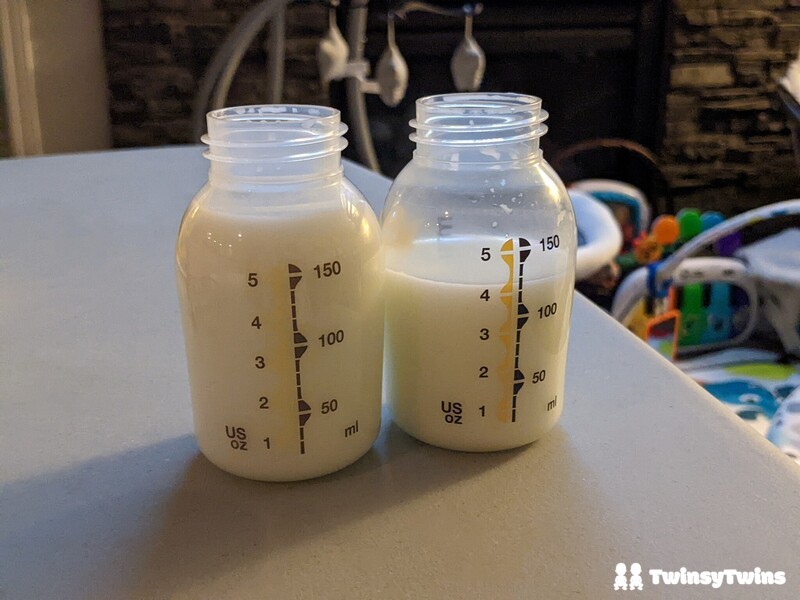
In addition, both colostrum and breast milk contain very low concentrations of vitamin K, which means they don't provide enough of the vitamin for the needs of your newborns.
This means they need to get vitamin K from another source, and the easiest and most reliable way for them to get it is in the form of a single shot after they're delivered.
According to the U.S. Centers for Disease Control & Prevention (CDC), "newborns who don't receive a vitamin K shot after birth are 81 times more likely to develop severe bleeding than those who do get the shot."
Why do we need vitamin K?

When babies are born, their levels of vitamin K (which are already low to begin with) fall even lower.
They need a good store of vitamin K to build up the levels in their liver for future use AND to promote good bone and blood health.
Beyond that, Vitamin K is crucial for helping your babies' bodies be able to clot blood and stop bleeding. Being able to do so decreases their chance of dangerous bleeds, which premature babies are at a higher risk for.
Blood clots through hemostasis, a three-step process that involves blood vessel constriction, platelet plugging, and fibrin mesh coagulation. If infants are deficient in vitamin K, their bodies don't have the substances they need (proteins in the blood called clotting factors) to form fibrin, which, in turn, creates durable clots.
If they can't create blood clots, this can cause vitamin K deficiency bleeding, a dangerous condition that can cause life-long disabilities or even be life-threatening. According to the CDC, one out of every five babies with VKDB dies.
Do my preemies really need a vitamin K shot?

In short? Yes.
Vitamin K is incredibly important for premature babies because they have a higher risk of experiencing dangerous bleeding (VKDB) because their bodies have even lower stores of the vitamin than full-term babies.
According to the Canadian Paediatric Society, "pre-term infants are at higher risk for VKDB, due to hepatic immaturity, delayed gut colonization with microflora, and other factors."
Their liver and digestive system may not be finished developing yet, depending on how early they're born, which means they may not be able to process or produce enough vitamin K efficiently on their own.
The risk of bleeding for your babies—especially inside the brain, known as intraventricular hemorrhage—is much higher for premature babies than it is for full-term newborns.
The reason they have a higher risk for this type of bleeding is because preemies have fragile blood vessels in their brain. These vessels aren't fully formed yet...so they can break easily.
The reason they have a higher risk for this type of bleeding is because preemies have fragile blood vessels in their brain. These vessels aren't fully formed yet (they become the strongest during the last 10 weeks of gestation), so they can break easily.
On top of that, babies who are born prematurely also often have breathing issues or problems with low blood pressure, which can add extra stress and further increase their risk for bleeding.
The most common types of bleeding in premature babies happen in the brain, in the lungs, or in the gut.
Brain bleeds are common in babies who are born very prematurely. Bleeding in the lungs, also known as pulmonary hemorrhage, can happen to extremely premature babies who have low birth weights. Bleeding in the gut can happen when preemies have severe bowel inflammation from conditions like necrotizing enterocolitis.
How is the vitamin K shot given to preemies in the NICU?
Once high-risk premature infants are stabilized after delivery, the vitamin K shot is given within the first six hours after birth as an intramuscular injection in their thigh muscle.
Intramuscular shots are the method recommended by the American Academy of Pediatrics because they absorb effectively and reliably, allowing your little ones' little bodies to store the vitamin in their livers, so the levels can be slowly released over months to help their blood clot normally and prevent VKDB as your babies grow and their digestive systems mature.
Oral or intravenous forms of the vitamin K shot aren't recommended nor are they approved for use in preemies because they're less effective and the oral option requires multiple doses given over several months to be as beneficial as the singular intramuscular shot.
The quantity given to each baby is titrated to a very precise dosage based on their weight. The standard single dose for full-term newborns or larger preemies is 1.0 mg, but very small babies who weigh 1,500 grams (about 3 lbs., 5 oz.) or under may receive 0.5 mg or as low as 0.3 mg, depending on their weight.
My babies are healthy, do they still need a vitamin K shot right away?

Yes, it's recommended that all newborns receive a single dose of vitamin K very shortly after they're born because VKDB can still happen to babies who appear to be otherwise healthy and are developing normally.
Without a vitamin K shot, the risk remains beyond the first few days of life and continues right up through six months of age, when they start on solids and are able to get vitamin K from other sources.
If you decide on a "wait and see" approach, it could be too late by the time you decide they need it because babies can bleed anywhere in their bodies, like into their intestines or brain, where you can't see the serious and irreversible damage that's being done.
According to the Mayo Clinic, Vitamin K deficiency can develop during three different timeframes after birth:
- Early Onset: It occurs on the first day of life, within the first 24 hours after delivery, and it can cause severe bleeding. It is often linked to a specific medication the mother was taking during pregnancy.
- Classic Onset: It occurs anytime on or after the second day after birth and up until the end of the first week of life. It can cause bruising and bleeding from the umbilical cord or nose.
- Late Onset: It occurs after the first week of life, from eight days after delivery up until six months of age. It's common in babies who are exclusively breastfed and did not get the vitamin K shot.
According to the CDC, of the infants who have late onset vitamin K deficiency, "about half of them have bleeding into their brains, which can lead to permanent brain damage. Others bleed in their stomach or intestines, or in other parts of the body. Many of the infants need blood transfusions, and some need surgeries."
Symptoms of VKDB
A lot of the time, there aren't any warning signs or symptoms of VKTB in babies for days, weeks, or even months, which is what makes it so dangerous to deny your babies a vitamin K shot after they're delivered.
For those babies who do show symptoms, they can include:
- Being excessively sleepy and / or irritable
- Bruising easily, especially on the head and face
- Having paler than normal skin or gums
- Having blood in their stool or vomit
- Having seizures
- Bleeding from the umbilical cord or nose
How can VKDB be prevented?
Vitamin K deficiency bleeding can be prevented by allowing your babies' medical team to administer a properly titrated dosage of the shot shortly after they're delivered and stabilized.
If you have any questions or concerns about your babies receiving a routine vitamin K shot, consult with your doctor or discuss things with their neonatologist before delivering your twins.
Did your twins get a vitamin K shot after they were born? Let us know in the Comments section below or connect with us on Instagram to share your thoughts!
Read more

Why Are My Preemies on Caffeine Therapy? Three Vital Benefits Explained
If your journey with newborn twins is anything like ours, it's safe to say you'll be consuming copious cups of coffee just to get through the newborn stage. But that newborn stage with your babies might not begin at home immediately after they're delivered. It might start in the neonatal intensive care unit (NICU), like ours did. Every pregnancy is different, so it may not always be...

If Your Newborn Babies Need the NICU, Know They’re in Capable, Caring Hands
If your babies were born prematurely and needed to spend time in the neonatal intensive care unit (NICU), then you're already painfully aware of the amazing things NICU nurses and doctors do day-in and day-out to care for critically ill newborns. Becoming a NICU parent happens in an instant. It can be physically and emotionally exhausting, but nothing is greater than witnessing your...

Surviving Twin Surgery: An In-Depth Guide to Infant Inguinal Hernia Repair
The neonatal intensive care unit (NICU) is a tough place to navigate. Everyone is there to make sure their babies are okay and getting stronger, but everyone is watching their little ones facing different challenges every single day. When our babies were three days old (they were born 6.5 weeks early, at 33+5), they needed feeding tubes to keep their feeds down, phototherapy to prevent...

How Caffeine Improves Cognitive & Pulmonary Function in Premature Twins
As a soon-to-be or brand-new parent of newborn twins, you're going to be completely and utterly exhausted. And while you might feel like you need several cups of coffee to survive on the miniscule amounts of sleep you'll be stealing, you might also be concerned about consuming caffeine and passing it into your milk supply if you're planning on breastfeeding your babies. But did you...