
Carrying multiple babies at once puts extra strain on your body, giving you an increased risk for several conditions, including gestational diabetes.
When you're pregnant with twins, your risk of developing gestational diabetes is about two times higher than if you're carrying a single baby.
This is because carrying two babies at once involves a larger placental mass, whether it's one, two separate ones, or two that have fused together, so your body produces higher levels of pregnancy hormones, which can lead to increased insulin resistance.
Gestational diabetes is something that must be managed during your pregnancy, and it's also a major risk factor for future health problems.
Characterized by high blood sugar and other diabetes symptoms that weren't present before pregnancy, gestational diabetes gives women who experience it an increased risk (by seven times!) for developing Type 2 diabetes in the years (or even decades) after their pregnancy. Women who don't develop Type 2 diabetes are still at a higher risk for heart disease as they get older.
Preventing the glucose spike
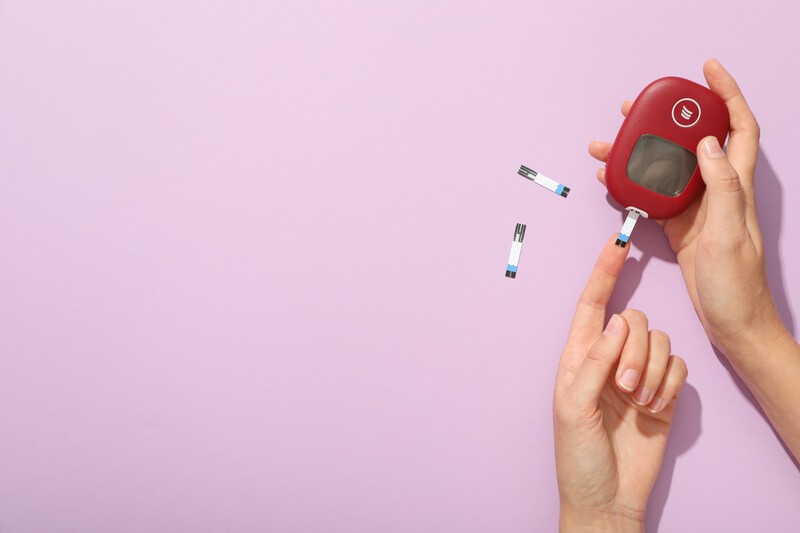
Mothers of multiples who develop diabetes while pregnant with twins need to discuss things with their doctor and come up with a plan to manage the condition and to monitor their blood glucose levels at home with a glucometer.
In some cases, gestational diabetes can be kept in check with diet changes alone; in other cases, medication might be required to manage the condition.
Foods that won't spike your blood sugar

Managing your blood glucose levels while trying to meet the heightened caloric needs and protein demands that come with growing two babies simultaneously is a delicate balancing act.
To properly manage your blood sugar levels, you don't need to completely avoid every single carbohydrate. You need to focus on picking ingredients that help you build meals that reduce intense glucose spikes and digest more gradually.
You need to focus on picking ingredients that help you build meals that reduce intense glucose spikes and digest more gradually.
Protein, fiber, and healthy fats can all slow digestion down more than if you were eating just carbohydrates on their own.
Pairing lean or protein-rich foods with non-starchy vegetables, healthy fats, and higher-fiber carbohydrates will help you build balanced meals to help manage your blood glucose levels.
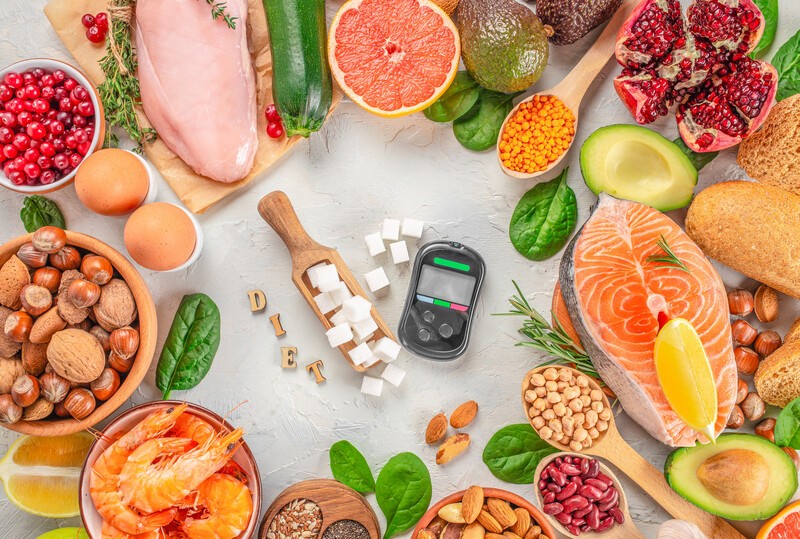
If you're one of the lucky ones who can keep things under control with a few tweaks to their diet, here's a list of heart-healthy foods that will keep you energized and won't spike your blood sugar.
Fruit
Fruits have a natural sweetness, antioxidants, and general everyday health benefits. Good options that'll help prevent blood sugar spikes include:
- Blueberries
- Strawberries
- Raspberries
- Blackberries
- Cherries
- Apples
- Pears
- Kiwi
- Grapefruit
Vegetables
Non-starchy vegetables are a great source of essential nutrients and fiber. Options with minimal blood sugar impact include:
- Broccoli
- Spinach
- Cucumber
- Bell peppers
- Zucchini
- Kale
- Cauliflower
- Asparagus
- Mushrooms
Protein
Lean proteins can help you feel fuller longer, and they can also contribute to muscle maintenance and recovery. Good options for helping manage your blood glucose levels include:
- Chicken breast
- Turkey breast
- Salmon
- Tuna
- Eggs
- Cottage cheese
- Plain Greek yogurt
- Shrimp
- Lean beef
Carbohydrates
High-fiber carbohydrates give you a steady source of energy. Options that contribute to healthy digestion and stable glucose levels include:
- Steel-cut oats
- Lentils
- Chickpeas
- Black beans
- Kidney beans
- Quinoa
- Sweet potatoes
- Barley
- Faro
Fats and nuts
Healthy fats and nuts give you long-lasting energy and are good for your heart health. Options that provide optimal nutrient absorption include:
- Avocados
- Almonds
- Walnuts
- Pistachios
- Sunflower seeds
- Pumpkin seeds
- Chia seeds
- Flaxseeds
- Olives
When you're planning your meals for the week, peruse these lists and pick your favorite items to build balanced meals, so you can enjoy a satisfying snack or low-glycemic meal while stabilizing your glucose levels and avoiding those pesky crashes.
Finding the sweet spot while managing gestational diabetes

Once you've taken your glucose tolerance test and been diagnosed with gestational diabetes, talk to your OB-GYN or doctor to come up with a management plan.
Many factors impact your blood glucose levels, from your meal and snack portion sizes and how you prep your meals, to your individual activity levels, any medications you're on, and your personal metabolism; they all play a role in helping you manage your blood sugar levels.
Pay attention to your weight gain and follow your doctor's guidance. You want to find the sweet spot of gaining enough weight to ensure your babies grow and develop properly but not gaining too much and putting additional stress on your heart.
Beyond this, rest is your friend, but don't take it TOO far in that direction, unless you've been instructed to do so by your doctor. Gentle daily exercise (an easy walk) is good for your blood flow and heart health. Of course, always ask your health care provider before starting or stopping any new workouts or exercise regimens during your pregnancy.
Were you diagnosed with gestational diabetes during your pregnancy with multiples? How did you manage it? Let us know in the Comments section below.
Read more

Overheating Hazard Prompts Urgent Recall of Popular Baby Bottle Sterilizer
Check your countertops, moms and dads. If you're in the newborn phase with your twins, triplets, or higher-order multiples, you're constantly running to keep up with the needs of your babies. Washing, sanitizing, and drying 16 to 24 bottles, plus breast pump parts and accessories, every single day is an around-the-clock operation. A countertop bottle sterilizer and dryer isn't a...

Three Seasonal Recipes You Can Make With All Your Leftover Jack-o’-Lanterns
While often treated as vegetables in the culinary world, thanks to their savory flavor profile, pumpkins are actually scientifically classified as a fruit, thanks to the fact that they have flowers that require pollination in order to grow. Whether you call it a fruit or a vegetable, it's probably safe to say you wonder what to do with your pumpkins after Halloween has come and gone....
Celebrate International Chefs Day with This Zesty Autumn Cabbage Salad
The only thing more chaotic than a kitchen run by the likes of Gordon Ramsay is a kitchen filled with two very independent toddlers who want nothing more than to run the kitchen and be in charge of making every meal with mom or dad. This International Chefs Day, let them run the show. This International Chefs Day, let them run the show. The purpose of this day is to help children...

New Partnership Advocates for Better Mental Health Support for New Parents
No matter how you look at it, parenting is stressful. Beyond keeping one or more tiny humans alive, the extreme sleep deprivation and financial strain of keeping multiple mouths fed and the associated butts clean and dry don't make anything easier. Add to that the potential trauma that can come with a multiple-birth delivery and the relationship strain that comes over time with never...